What is Sicily known for? A guide to Italy’s most distinct region
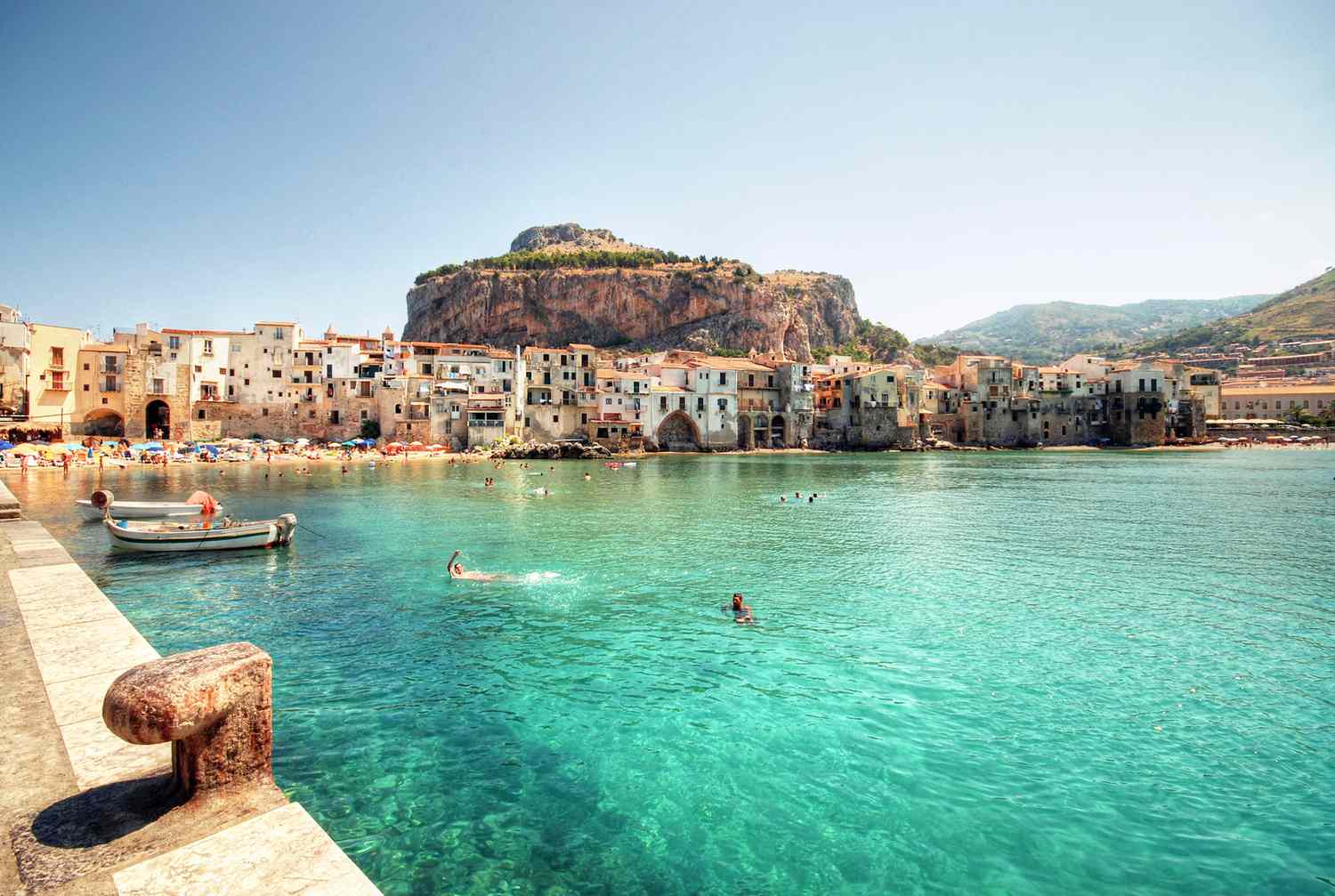
If you ask anyone what the first thing that comes to mind about Sicily is, most likely, you will hear many similar answers: Mafia, Mount Etna, or some movie, such as The Godfather. Nevertheless, this is all true, but these words cannot express why it feels completely different from mainland Italy once you are in Sicily. Years of Greek, Arab, Norman, and Spanish occupation have changed the local culture and cuisine.
Planning Sicily into a wider Italy trip
Because Sicily is distant from the rest of the country geographically and culturally, most people treat it as either a standalone trip or an added destination in a longer Italy trip that covers the north. For those traveling that far south, combining a visit to Sicily with another visit to Venice and the Veneto is a popular travel choice in seeing another part of Italy with an entirely different experience. Because Sicily is located in the south of the country, it is serviced by its own airports, in particular Palermo and Catania. When you plan your trip to northern Italy, you should arrange for transfer aeroporto Treviso Lido Di Jesolo precociously if you are staying near Venice. This is because there are not enough public transport services between Treviso Airport and Lido di Jesolo at night.
Ancient Greek ruins
Among the regions of the world which exhibit the best-preserved examples of Greek temples, Sicily ranks first. The Valley of the Temples near Agrigento is a tremendous example of a ridge full of Doric temples dating back to the 5th century BC, which, surprisingly enough, still remain standing despite the age and the annihilating earthquakes that hit the island afterwards. Syracuse, the city of former glory situated in the eastern part of the island is also home to an archaeological site and the district of Ortigia, thus providing further insight into the grounds of the Greek heritage of Sicily.
Mount Etna
Europe’s biggest and most active volcano characterizes the eastern part of Sicily, being visible from many places along the coastline and towering over towns such as Taormina and Catania. Hikes guided by a pro guide differ from gentle lower-altitude walks through volcanic craters to serious hikes toward the craters on the top of the volcano, since access may differ depending on the activity closely before the hike starts. Volcanic soil surrounding the volcano has also become the reason for the emergence of one of Sicily’s most popular winemaking regions, which produces excellent wines that started to gain world recognition recently.
Baroque towns in the southeast
Val di Noto consists of a set of towns in the east-southeast of Sicily, including Noto, Ragusa, Modica, and Scicli. Following the destruction caused by an earthquake in 1693 which demolished nearly all the buildings in the region, these towns were chiefly rebuilt in a decorated Baroque style. The architecture of these towns features stone carvings and intricate balconies of the local honey-coloured limestone. Because of this unique architecture, Val di Noto has been declared a UNESCO World Heritage Site. Moreover, Modica has its own historical contribution: For many centuries, it has been producing chocolate according to the method introduced by the Aztecs.
A cuisine shaped by conquest
Sicilian cuisine is different from mainland Italian food the most among all of the regional cuisines. This is a result of the centuries of Arab and North African food influence on top of the existing influence from Greece, Normans and Spain. Couscous is not a unique product, especially in Trapani in the west, since this version comes with fish instead of meat, often used elsewhere in the southern shore of Mediterranean Sea. Arancini is the most popular street food of Sicily, while an abundance of other products like citrus, nuts and saffron demonstrates the trade connections that never reached the far north of Italy.
Cannoli, the dessert that is thought to be the most famous dessert of the island, are worth trying when they are made fresh and filled upon request and not just made beforehand and left out in the showcase, something most residents understand and appreciate because it alters the texture of the shell significantly.
Read more: Sculpt, Smooth, Rejuvenate: The Power of Advanced Dermal Fillers
Palermo and Its layered history
Palermo, the capital city of the island, is a testament to its tumultuous past. Norman palaces constructed by the rulers utilizing Arab and Byzantine workmen are situated in close proximity to Baroque-style churches and a bustling market culture where ones like Ballarò and Vucciria bear witness to the Arab tradition of trade. Cappella Palatina, a chapel found in Norman Palace, symbolizes how Palermo’s architecture is intertwined and represents the multi-layered personality of the island.
Taormina and the coastline
Taormina is a town in Sicily that is famous for its postcard scenery which combines the cliff on which this town is situated with the beauty of Mount Etna that can be seen from this place. The town is famous because of the Greek theatre that is still in use today and the historic city center which attracts visitors every summer. However, Taormina has alternatives in its close vicinity. The places that can be visited within a short ride from Taormina are Cefalu and the Aeolian Islands.
The mafia’s cultural shadow
When speaking about Sicily’s global reputation, it must be said that organised crime played a significant role in establishing that reputation, particularly through films and television series produced over many years. In reality, however, the impressions of tourists visiting the island are completely different, since the capital offers quite a number of museums and tours based on the topic of organised crime.
Getting around
Many newcomers don’t anticipate just how big Sicily actually is, while the rail system only links certain coastal cities and is notoriously slow in addition to missing out on a lot of inland towns and Baron’s set of Baroque sites. People visiting the eastern region around Taormina and Etna and the southeastern Baroque towns have to rely on a car for efficient travel, as the paradisiac roads may take longer than imagined, although the distance on the map seems to be short.
When to visit
April through May and from September to October are the best months to visit all the ruins and hike around Etna as the weather is good and there is no need to pay through the nose for flights in July and August, which are very hot, with temperatures often reaching more than 35°C in the inner regions.
Winter is also pleasant on the coast, whereby although it still allows access to the major destinations, some of the smaller island attractions may not be reached by ferry or be operating at a reduced capacity during this season.
Sicily makes a perfect independent destination for the tourists willing to explore not only the Greek ruins, but the volcano and the unique baroque architecture and enjoy its distinctive American-like cuisine during at least a week.