Sideboards and Buffets: Key Features and Practical Uses
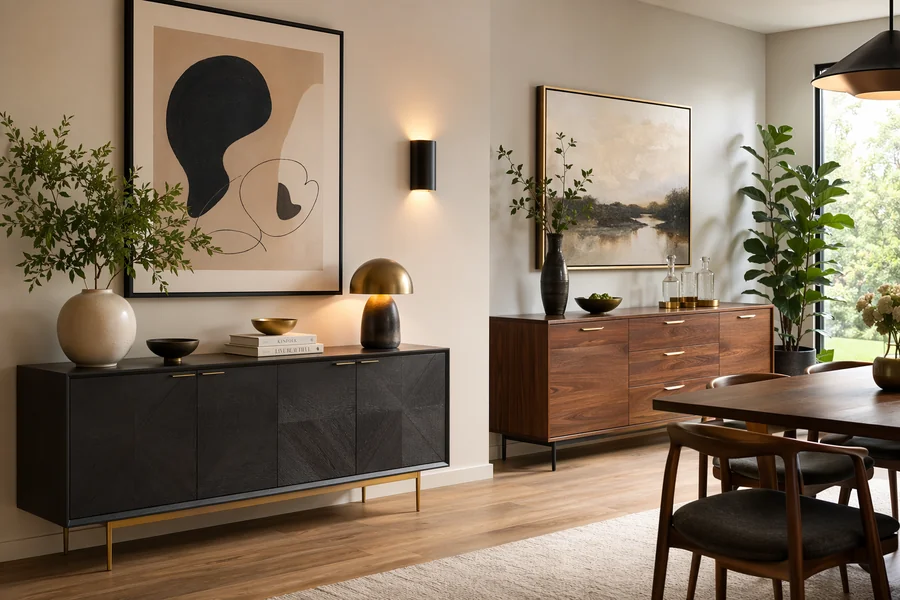
Sideboards and buffets explained key features and practical uses.
Key Highlights
- Sideboards and buffets are closely related pieces of dining room furniture, with differences often tied to leg height, naming, and use.
- A buffet table is commonly used in the dining room for serving, while a sideboard cabinet can also add stylish storage in different rooms.
- The best choice depends on your room layout, storage space needs, and how your dining room works day to day.
- Materials, finish, and door design affect durability, upkeep, and the overall look.
- A modern sideboard can deliver elegant storage while also acting as a focal point.
Introduction
Want to enhance your storage and style without cluttering your home? Buffets and sideboards are a solution to that. These flexible items of furniture may contain dining ware, table cloth and other daily necessities to enhance your dining room furnishings and house decorations. This guide will leave you in no doubt in case you have been comparing a sideboard buffet to other storage mediums. You will find out what made each of them special, what makes these features important, and how to find one that will suit your home.
Understanding Sideboards and Buffets
Sideboards and buffets have long been considered as convenient furniture in the dining-room, to serve and store in. They trace their origins to the traditional types of furniture that have been observed since the 18th century when storing dishes, cutlery and linens near the dining table led to simple hosting.
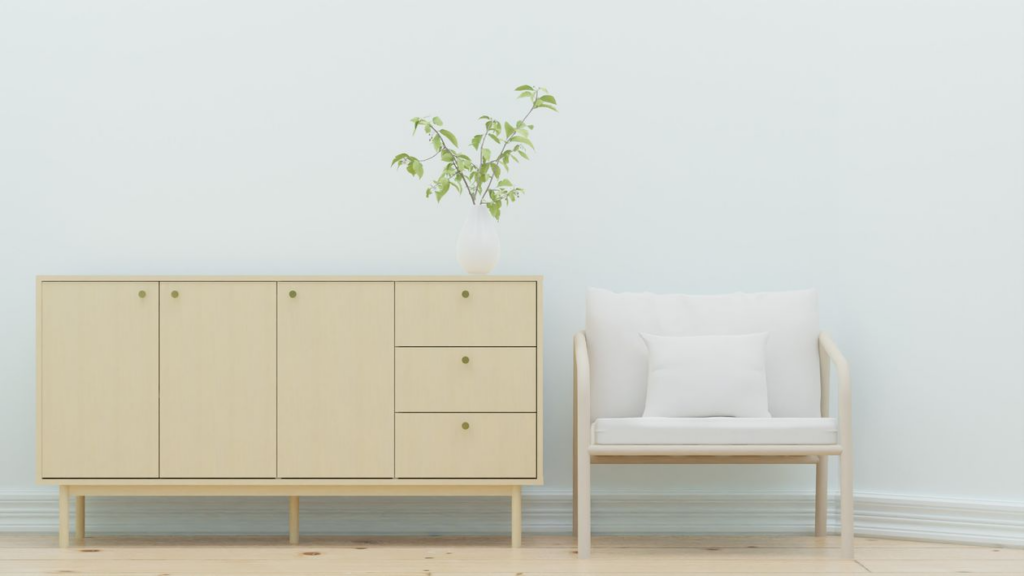
Nowadays, these terms are used interchangeably. Practically, a sideboard cabinet or buffet table typically provides a wide top, inside cupboards and a design that is intended to uphold display and functionality. The distinctions are more visible when you consider the distinctive features of the finer differences.
Key Features That Define Sideboards
A sideboard is a short, wide storage unit that is placed against a wall. They are typically used in home offices, living room or in a dining room as a sleek storage system. Commonly available traditional sideboards were mahogany or other rich wood which gave these boards a formal appearance.
Sideboards usually have cupboards, drawers, or cabinets to store things in a well-organized way and can be accessed easily. Others have short legs; others long legs to make them look light.
Key features:
- Wide top for serving, décor, or accessories
- A combination of cupboards and drawers for concealed storage
- Variable leg lengths based on design
- Balanced shape that fits classic or modern spaces
Distinguishing Buffets from Sideboards
A buffet can be the same as a sideboard, and the two terms tend to be used interchangeably. Buffets are common places in the dining rooms of American houses to keep the dinner ware, utensils and table linen close to the table.
The primary distinction is proportion: buffets tend to be shorter legged and are meant to be served whereas sideboards can be utilized more widely and in different rooms. They both have a practical top surface and provide storage.
| Feature | Buffet | Sideboard |
| Common use | Serving and storage in dining rooms | Storage and display in dining or other areas |
| Leg style | Typically shorter legs | Short or longer legs |
| Typical storage | Linens, dishware, cutlery | Dinnerware, accessories, household items |
| Design association | Popular in American interiors | Used across many styles |
Choosing the Ideal Sideboard or Buffet for Your Home
The first step to choosing the right sideboard is the way you live. Would you like to have additional space around food tables to entertain, or do you seek statement items that will also enhance the interior design of their homes? The ideal option is one that promotes everyday use and not merely a pretty sight in a display room.
You ought to think outside the dining room as well. Other people who build homes apply the pieces in home offices or open plan living areas where hidden storage is important. After knowing where it will be placed, you will be able to pay attention to size, layout, material, and self-assembly being realistic to your arrangement.
Size and Layout Considerations
Begin by surveying your space. A small sideboard is suitable in small spaces, whereas a bigger sideboard will fit a bigger dining room. Measure the width in centimeters, to prevent crowding the room and clearing out walks.
Take into account your storage requirements. In case you need to keep serving ware or other dishes, or family items, then practical storage is the priority over appearance. A buffet needs to be able to move easily across the table.
Key tips:
- Measure available wall space before shopping
- Match the sideboard size to your room
- Choose storage based on what you use most
- Ensure enough clearance for doors, chairs, and access
Popular Materials and Durability for Australian Homes
Both look and longevity depend on material. Wood is also the favorite due to its coziness, durability, and classic appearance in new homes. There is natural timber pattern in some of the pieces, others have fluting, marble tops or glass panels to accentuate them.
Rattan side tables have texture and are light. The quality of the construction, solid legs, and doors that close easily are all that buyers desire in refined furniture in Australia as they would need furniture that can withstand day-to-day usage.
Read More: Simple Ways to Boost Your Home’s Curb Appeal
Practical Uses and Storage Solutions
A sideboard or buffet helps streamline daily activities by having dinnerware, cutlery and linens in a convenient reach during meals or parties- cutting on the traveling to kitchen and including storage where its needed the most.
These universal products can also be used in other rooms: one can be used in the living room as an accessory, in the doorways to minimize clutter, or in a home office to create some extravagant extra storage space. The upper side can be used to place art, vases or serveware and hide less attractive objects in closed doors.
Conclusion
Sideboards and buffets are a functional furniture that enhances the style and functionality of your house. Their features and uses will aid you to select what suits you, your space, and lifestyle. Do you want a contemporary sideboard or an old fashioned buffet, these pieces of furniture provide an advantageous storage and act as trendy accessories.
Frequently Asked Questions
Are sideboards and buffets suitable outside the dining room?
Yes. While they are classic dining room furniture, they also work well in different rooms such as home offices, living areas, and entryways. They provide extra storage for household items while keeping the space neat, functional, and visually polished.
What are the current styling trends for sideboards and buffets?
Current looks favor the modern sideboard as one of the room’s statement pieces. Popular styling includes layered artwork, ceramic vases, and a controlled use of colour. Natural finishes, curved lines, fluted details, and clean silhouettes also suit many contemporary homes.
How do you maintain or clean a wooden sideboard or buffet?
To protect a wooden sideboard, keep cleaning simple and regular. Dust it often, wipe spills quickly, and avoid harsh products that may affect the finish or durability. In Australia, choosing quality materials and maintaining them consistently helps preserve the furniture’s appearance over time.
Hey, Christian Manlapaz here! An SEO content writer for business, automotive, technology, and Australian industries. I’ve been enjoying creating useful content, such as SEO blog posts, for over a year now, and I’m happy that my content helps businesses improve their online visibility and attract organic traffic.