Is Wild Venison Sustainable? A Closer Look At Ethical Wild Meat Sourcing
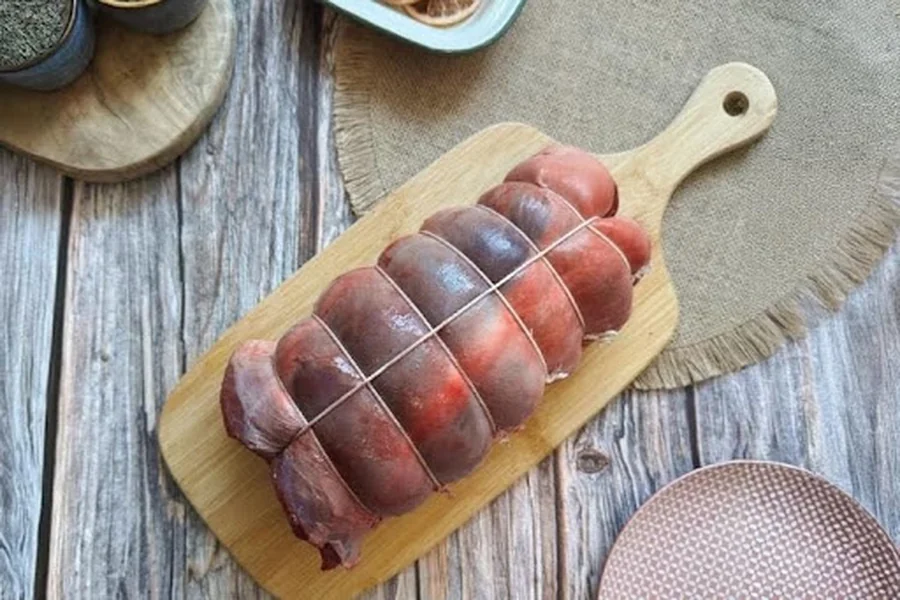
Interest in sustainably produced meat continues to grow as consumers pay closer attention to food provenance, farming methods, and environmental impact. Within this changing market, wild venison has attracted increasing attention because it differs from conventionally farmed meat. Rather than being raised in agricultural systems, wild deer are managed through controlled population programs that support woodland health and biodiversity.
The Organic Butchery, a Devon-based specialist in organic meat and wild game, operates within this evolving market. The company, formerly known as Coomb Farm Organic before its rebrand following a June acquisition, has been established for around a decade. It focuses on certified organic meat alongside carefully sourced wild game, offering products that reflect its emphasis on animal welfare, environmental stewardship, and traditional butchery.
Sustainable Wild Sourcing Reflects Responsible Land Management
Questions surrounding sustainability often begin with how food is produced. In the case of wild venison, sourcing differs significantly from conventional livestock farming. The Organic Butchery reports that its Wild Venison collection is harvested from sustainable West Country estates where deer populations are carefully managed as part of wider ecosystem management programs.
Conservation organizations have long recognized that unmanaged deer populations can affect woodland regeneration and biodiversity. Responsible culling helps maintain ecological balance while reducing waste by ensuring harvested animals enter the food supply rather than being discarded. Within this framework, wild venison becomes both a food product and a by-product of conservation management.
The company’s butchers prepare the meat in-house, producing a consistent mince suitable for recipes ranging from traditional ragù to lighter pasta sauces and casseroles. Wild venison has a darker, richer flavor than conventional beef while remaining versatile enough for everyday cooking. According to the brand, careful preparation allows the natural character of the meat to remain without producing an overpowering game flavor.
The Organic Butchery also states that sourcing from local West Country estates reduces unnecessary transport while supporting regional supply chains. That local approach reflects broader consumer interest in traceable food production and shorter supply networks.
The range of wild game products and further information about sustainably sourced venison is available at organicbutchery.co.uk, where the company outlines its approach to ethical sourcing and preparation.
Organic Standards Continue to Shape Consumer Expectations
Alongside its wild game selection, The Organic Butchery specializes in certified organic beef, lamb, pork, poultry, mutton, bones, and artisan products. Every organic product is certified under recognized UK organic standards, reflecting independently verified production methods covering feed, animal welfare, and land management.
The wider organic meat sector remains relatively fragmented within the UK. Company figures estimate the market to be worth between £80 million and £100 million annually, suggesting continued opportunities for specialist producers that focus on traceability and quality. The Organic Butchery currently delivers throughout the UK, with free mainland delivery available on qualifying orders above £100 and a minimum order value of £50.
Its product range also reflects growing interest in nose-to-tail eating. Alongside premium roasting joints, customers can purchase bones for stock, broth ingredients, and lesser-used cuts that encourage fuller use of each animal. This approach aligns with wider efforts across the food industry to reduce waste while making greater use of available resources.
The company’s meat has also received recognition through awards including Great Taste, Taste of the West, and BOOM Awards. While awards don’t determine sustainability, they provide independent recognition of product quality and butchery standards developed over many years.
Research Highlights the Nutritional Value of Organic Meat
Alongside environmental considerations, nutrition remains an important factor in discussions about organic and sustainably sourced meat. Research led by Newcastle University reviewed 67 international studies and found that organic meat contains approximately 47-50% more beneficial omega-3 fatty acids than conventionally produced meat. The analysis also reported 11-18% lower levels of saturated fats, including myristic and palmitic acids. Researchers attributed these differences to organic production standards, which require livestock to consume predominantly grass-based diets and have regular outdoor access.
Helen Browning, Chief Executive of the Soil Association, commented on the findings by stating, “The crucially important thing about this research is that it shatters the myth that how we farm does not affect the quality of the food we eat.” Her observation reflects the growing body of evidence linking farming practices with measurable differences in food composition.
The Organic Butchery’s wider product range follows these certified organic principles. The company states that its animals are raised without routine antibiotics or artificial feed while farms prioritize biodiversity and animal welfare. These practices align with recognized UK organic standards that independent certification bodies verify.
Health experts also continue to examine the relationship between meat consumption and dietary balance. Dr Kathryn Clare of the London School of Hygiene & Tropical Medicine has noted, “There is growing evidence to suggest that current consumption trends of red and processed meat are a threat to both human health and the health of the planet.” Within that broader discussion, many researchers focus on improving the quality and sourcing of meat rather than simply increasing consumption.
Traditional Butchery and Whole-Animal Use Support a Changing Market
The Organic Butchery combines traditional butchery skills with a modern focus on responsible sourcing. Its product range spans organic beef, lamb, pork, chicken, duck, turkey, mutton, bones, and wild game, allowing customers to purchase a wide variety of cuts from a single supplier. The business also promotes nose-to-tail eating, encouraging fuller use of every animal through products that extend beyond premium joints.
This approach addresses growing consumer interest in reducing food waste while supporting farming systems that place greater emphasis on animal welfare. Skilled in-house butchers prepare every cut, ensuring consistency across the company’s organic and wild game selections. For products such as Wild Venison Mince, careful preparation creates a texture suited to everyday meals while preserving the distinctive flavor associated with game.
The business has also indicated potential future growth through a subscription model designed to strengthen long-term customer relationships. Although the company currently operates only within the UK, its position in a fragmented organic meat market suggests opportunities for continued expansion while maintaining its existing sourcing standards.
Conclusion
Wild venison continues to occupy a distinctive position within discussions about sustainable meat production. When estates manage deer populations responsibly and experienced butchers prepare the meat carefully, wild venison can support conservation objectives while providing a lean, nutrient-rich source of protein. The Organic Butchery has built its business around these principles by combining certified organic farming, ethical sourcing, traditional butchery, and nationwide UK distribution.
As interest in traceable food production grows, businesses that provide transparent sourcing and independently verified standards are likely to remain an important part of the specialist meat sector. The Organic Butchery’s combination of certified organic products, responsibly sourced wild game, recognized industry awards, and commitment to whole-animal use reflects broader trends shaping how consumers evaluate meat quality, sustainability, and provenance.