A First-Time Buyer’s Guide To Choosing A Power Wheelchair
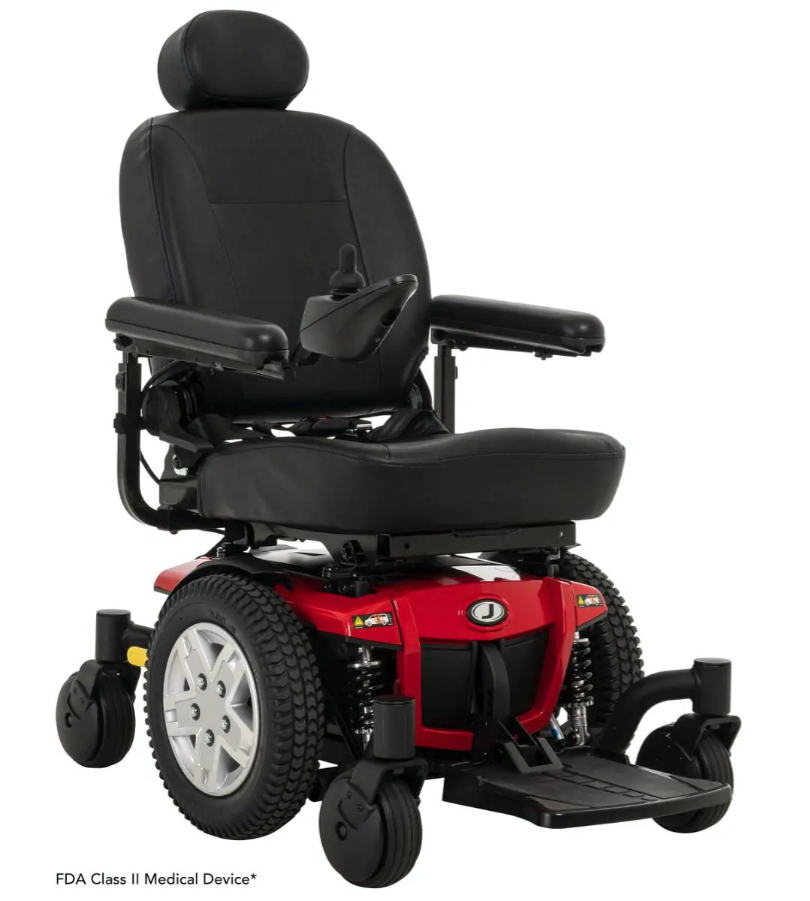
Most first-time buyers go through dozens of models, specs and prices and then freeze.
One Chair offers a compact turning radius. Another feature a battery that lasts all day long. A third folds down small enough for a car trunk.
However, which one is really for you?
This is where the confusion lies, and why many end up with a chair that's too big for their hallway, or not strong enough for regular use.
The best news: It's not about knowing it all when it comes to selecting the right one. It's about asking the right questions and in the right order and not taking the dive into a feature set that sounds too good to be true. But when the necessities are understood – body, home, day-to-day life – then the "best" chair becomes apparent very quickly.
Don't rush through another spec sheet; take time to consider the factors that really inform a great decision. Each is broken down below individually, beginning with the factor that most buyers focus on first.
1. Understand Your Needs Before Anything Else
First, be honest about the role a power wheelchair plays in a person's life.
Different features are required when using full-time versus providing occasional assistance on longer trips. Some questions to consider first:
- Indoor use only, or outdoor terrain too.
- Full-time reliance or occasional support.
- Current mobility level and how it might shift over time.
These answers cut the possibilities short, usually quicker than anticipated. In every mobility study, it is proven that the right device is a whole lot more than a way to get from room to room; it is independence, confidence and long-term wellbeing. That's why it's important to think a step or two ahead rather than just solving today's problem – needs often change a year or two down the road when the purchase is made.
2. Know The Different Types Of Power Chairs
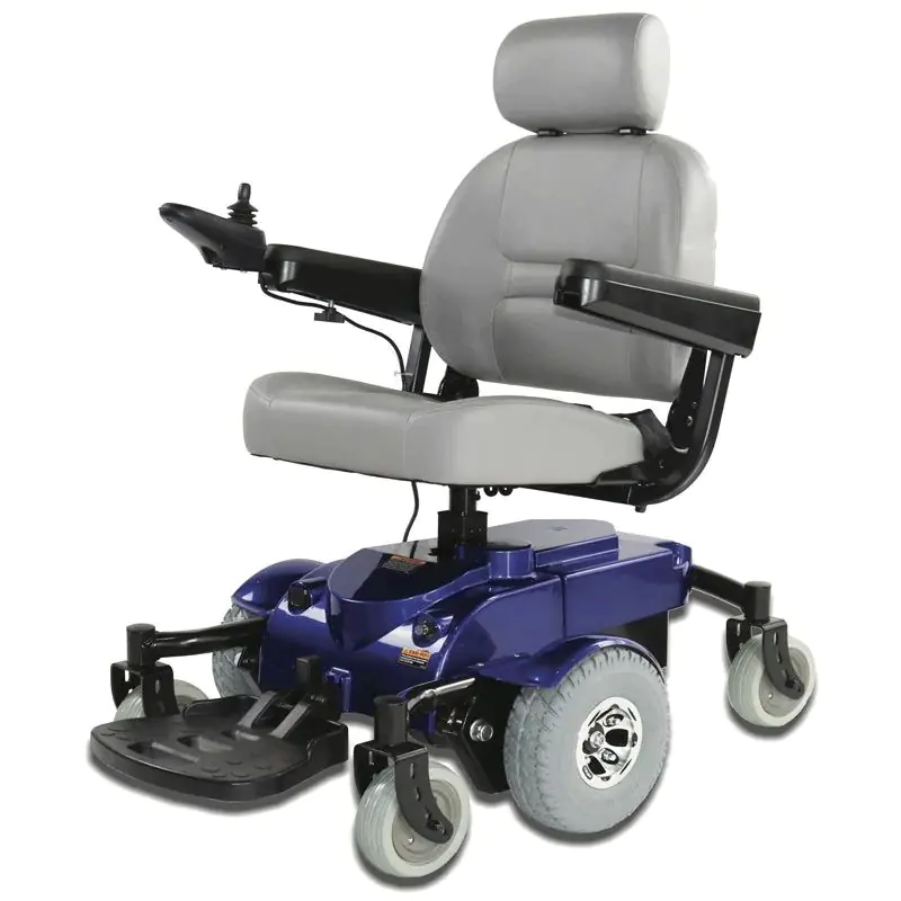
Power wheelchairs are not created equally. Everyone is suited to a different way of life:
- Standard power chairs — workhorses and dependable, good for paved paths.
- Heavy-duty models — sturdier frames and more powerful motors for bigger riders or rougher surfaces.
- Travel and folding chairs — compromise on range and bulk for portability.
If you're spending time at home and traveling, you may need two chairs, one heavy-duty for home and a lightweight one for traveling. This task brings a long list down to a short one before even one feature is considered, making the research process less daunting.
3. Check The Weight Capacity Against Real Needs
It is not only about the rider when it comes to weight capacity. Bags, groceries, and other gear count, too. Typical ranges are as follows:
- Standard power chairs: 250 to 300 pounds.
- Heavy-duty and bariatric models: 450-600 lbs.
Purchasing too close to the limits can reduce the lifespan of a chair and cause it to become slower and unstable over time. According to a 2025 Disability Rights Education & Defense Fund report, one of the most frequent issues identified by consumers is mismatched equipment – equipment that is not sized correctly for the user and is frustrating and more expensive than anticipated after purchase. It's better to be on the safe side than to be too close to weights you'll encounter in daily use, and it also helps preserve the motor and battery life of the chair.
4. Measure The Home Before Measuring Anything Else

Even if a power chair's online features seem amazing, it's of little value if it doesn't fit through a bathroom door. Before comparing features, take the tape measure and check:
- Narrowest doorways throughout the home
- Hallway turns and tight corners.
- Space needed to pivot near furniture
Here, the turning radius is also a matter of concern. A chair with a small turning radius can turn in place, a big plus in tight spaces such as an older home or a small apartment. It's something that can be overlooked in the excitement over top speed or battery life. But it is the one thing that oftentimes makes a chair fit for everyday use.
5. Decide How Much Portability Actually Matters
Portability is also a priority if you travel often, fly often or don't even have a vehicle lift. Folding and travel power chairs disassemble or collapse to fit in a car trunk. Some, such as travel models made of carbon fiber, remain airline-friendly. Standard and heavy-duty chairs, on the other hand, typically need a wheelchair carrier or an electric lift for transport. Both answers are correct. What matters most is being realistic about:
- How often does the chair need to move in and out of a vehicle?
- What is the most important day-to-day: comfort or foldability?
6. Factor In Battery Range, Budget, And Financing
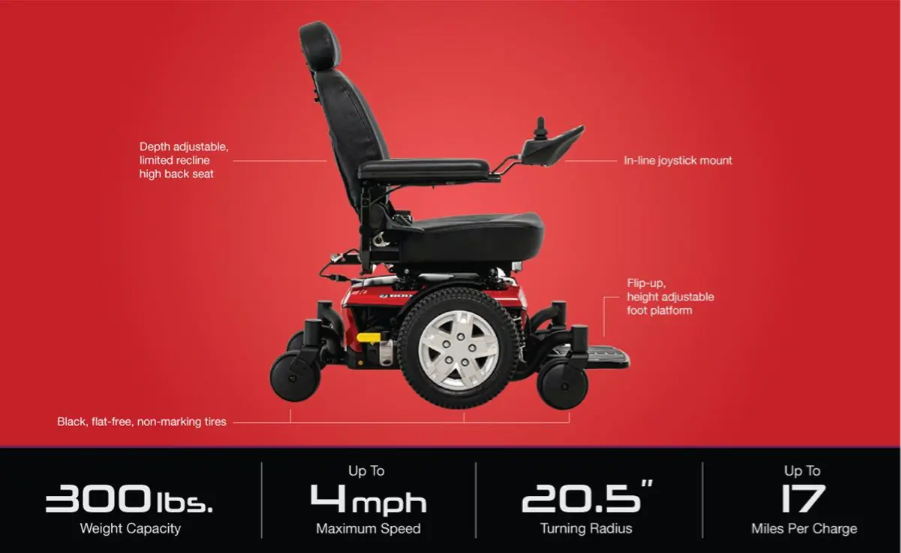
Independence comes to varying degrees, depending on the battery range. Comparing it to real-life daily distance is far more important than the longest possible distance on paper. Prices vary widely:
- Portable models: around $750
- Heavy-duty chairs: $3,000 and up
Many stores provide financing to make it easy to pay for that expense in monthly installments. With CDC estimates showing that about one in four American adults live with a disability, funding has become the norm when purchasing mobility equipment, and no longer a privilege. Comfort and control directly affect user confidence in their chair's driving performance in the long term, according to a 2024 driving-performance study published in the Journal of NeuroEngineering and Rehabilitation, making price an ineffective means of deciding on a user's choice.
Final Thoughts
Selecting a power wheelchair for the first time can be an overwhelming experience, but that need not be the case. Sorting out the mobility requirements, type of chair, weight limits, home design, transportability, and battery life makes it a simpler choice. A little time, some double-checking, and a few questions can prevent this purchase from becoming a burden on daily life.
The right chair is not often the one that makes the flashiest impression on the page due to its specs. It's about aligning real requirements with real capabilities, bit by bit – and the difference lies in the approach, turning a daunting search into a manageable one.