Why Sydney Harbour Is the Ultimate Destination for Sustainable Yacht Charters
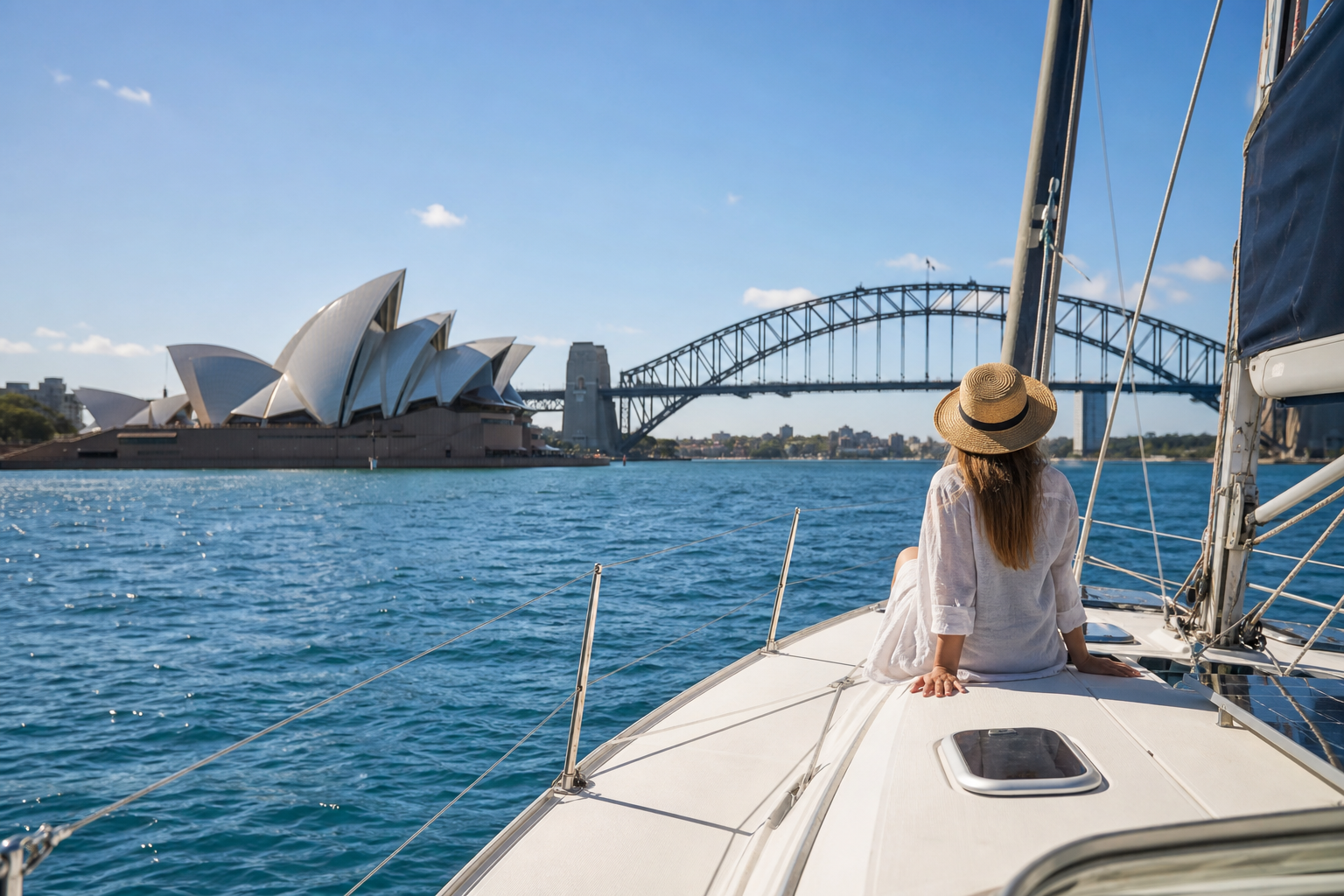
The majority of yacht charter comparisons Australia are thinking about both areas— how much impact they’re making and what they’re bringing away. Fortunately, the shift towards more sustainable yacht charters on Sydney Harbour is proving to be a successful trend, and it is becoming more and more convincing that sustainable and genuine luxury aren’t mutually exclusive. A new generation of charter experiences is proving that taking the time to focus on the finer details of the cruise, cleaner propulsion and quieter cruising is actually enhancing the experience.
To get the most out of this, it is important to have a definition of what ‘sustainable’ means in this context as no charter is without impact. The unique aspect of an eco-conscious charter is a conscious commitment to minimizing fuel consumption, managing waste in an eco-friendly way, supporting the harbour’s wildlife and habitats, and engaging with local communities and suppliers, not ignoring them. That is the realistic and honest side of green boating and Sydney Harbour is an especially well-equipped harbour to provide it.
What follows explains how the structure of the harbour enables a less impactful way to sail, what to look for and ask from the operator, how your behaviour on board influences this and why all this doesn’t mean you have to compromise on comfort or wow.
What sustainable yacht charters actually look like on Sydney Harbour
Sydney Harbour is a place of sustainability on many fronts. The most prominent is propulsion – hybrid and electric systems lessen the fuel use and noise, which is a nuisance for other aquatics users and disrupts animal life. It may not be noticeable to guests on a hybrid ship, but it is obvious when you’re on a hybrid ship: conversations are easier, the scenery looks closer, the mood is calmer. However, propulsion is just the beginning.
Choosing anchorages and routes in a busy and sensitive harbour like Sydney is extremely important. Good operators select anchorage locations of low eco-sensitive value, select equipment and techniques that do not harm seagrass beds and cause disturbance of the sea bed and plan itineraries that ensure that transit distances are not too great and that speeds are not excessive. The other elements of the picture on board are grey water management, strict no-litter policies, refillable bathroom amenities and low-toxicity cleaning products, as Sydney is a lived-in, much-loved waterway and the sum of dozens of charter vessels that aren’t doing these things properly adds up rapidly.
There’s also a local aspect that is sometimes overlooked. Commitment to sustainability is genuine: operators employ local crews; they buy their food and beverage from local seasonal harvesters; they keep their numbers small enough to not cause crowding on the water, and some even work with harbour conservation organizations. The dollars invested in a charter stay stay in the community and, when used properly, can help sustain the community’s long-term sustainability and health. In addition some operators provide credible carbon offset as an add-on service. While no charter is flawless, when combined with an appropriate ship and crew, the cuts in emissions, waste and ecological impacts are measurable and real.
Read more: Gray Corset Top Styling Guide for Modern Fashion
Why Sydney Harbour itself is made for eco-conscious sailing
Sydney Harbour stretches over 240 kilometres of coastline, but the best of the best are in very close proximity to each other. Peacefully sheltered coves, the headlands, the national park foreshore, the Opera House and the Harbour Bridge are all within short sailing distances of each other; and this closeness is indeed a structural advantage for sustainability. But well-planned trips can be done at an appropriate speed that doesn’t waste fuel, and that’s more environmentally friendly, and more fun, too, as turns out, as shorter distance traveling at slower speeds is better for the environment and better for the trip.
The relatively sheltered waters of the harbour and its calm seas conditions for much of the year also mean that high powered, fuel consuming engines are not really needed to maintain stability and allow a vessel to cruise with hybrid or efficient conventional propulsion. Environmental protection measures around the harbour heads, including marine park areas that have guidelines for operating in harmony with wildlife such as dolphins, seabirds and schools of pelagic fish, provide a set of guidelines for responsible operators to plan trips that truly get guests in touch with marine life.
The urban-access advantage is equally underrated. Guests can arrive at central wharves by public transport or a short taxi ride, cutting the transfer emissions that come with remote destinations requiring internal flights or long road journeys. Sydney’s world-class marina facilities further support this accessibility, making it straightforward for guests to embark and disembark without unnecessary detours. The flipside of the harbour’s popularity is that care is required: the best operators choose quieter anchorages at off-peak times, steering clear of overcrowded bays where noise, vessel wash and sheer numbers of people put pressure on wildlife and habitat.
How to choose operators for sustainable yacht charters in Sydney
The best thing you can do before booking is to ask specific questions as the difference between real eco-practice and green marketing jargon is great and only specifics make an operator sit on one side or another.
At the helm, consider hybrid or newer fuel-efficient engines, easily managed cruising speed reduction, smart hull design, solar/battery power solutions, and natural ventilation, which helps minimize air conditioning usage. This is not a special demand and it’s a basic feature of any ship that’s designed for operating expenses and the reduction of environmental impact.
In the case of on board practices, specific questions include: What is the recycling and waste policy? Do they use low-toxic cleaning products, and refill bathroom amenities? Are there any regulations against single use plastics? Ask about serving of food and drink items: Seasonality of food, local sourcing of food, vegetarian or low meat options, and the avoidance of items that are individually wrapped. If the operator takes this seriously he will have answers ready, if not, he will deflect.
The questions to differentiate good operators from greenwashed ones for both itinerary and ecology are: Where do you choose anchorages, and how do you avoid damaging seagrass and/or reef? What do you do during wildlife breeding and migration seasons? Have crew received marine stewardship training? If a skipper is sure of their practices, they will be glad to talk about these points, and likely excited about it.
Read between the lines of marketing, too. Photos of things on board, published policies on wastes, wildlife, third-party certifications and a skipper or host ready to discuss specifics can be tangible evidence. Broad terms such as ‘eco-friendly’ or ‘sustainable’ on their own or an aggressive push for high-speed cruising, an overwhelmingly large passenger capacity on a small ship, and inflexible itineraries without regard for conditions or sensitive areas are flags to be wary of.
Consider asking whether the operator has an option for a successful carbon offsetting scheme, harbour clean-up or conservation partnership in place. Use the same test: don’t take it on trust, ask for details.
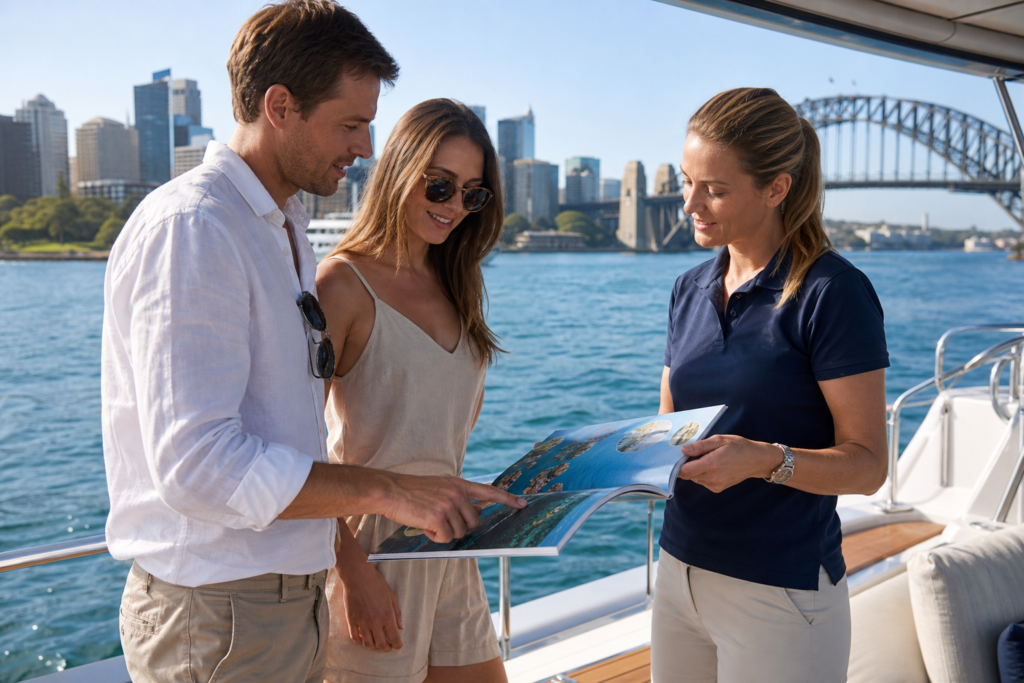
How to choose operators for sustainable yacht charters in Sydney
Onboard choices that make your Sydney charter genuinely greener
While the operator and the vessel determine the maximum sustainable limits for a charter, guests have a say in the minimum limits, and there are a couple of simple decisions to make before and during the trip that can make a huge difference.
Bring reef safe or mineral sun blocks to protect the marine life, not chemical blocks that are harmful to marine creatures when swum in. Carry a reusable cup and bottle and steer clear of anything glittery or containing microbeads, and dress in layers instead of relying on heating or cooling from the ship. These are small things one at a time, but they’re cumulative over the course of a whole charter party.
When taking on waste, take only minimal packaging on board and understand and use the waste systems on board correctly, and remove all non-organic waste and return it to land when mooring in smaller bays where disposal may be limited. The calm waters of the harbour are clear and it is easy to see the litter and to know that it is unacceptable.
The rule is clear to wildlife: stay back and respect the advice of the crew about sensitive areas – do not do otherwise. Avoid feeding and chasing dolphins, seabirds or fish, minimise noise in areas where dolphins rook on, or haul out, and accept route changes due to wildlife or weather conditions as done and dusted – not a hindrance. The experience is enhanced by the marine life in the harbour and respect for this is what sustains the experience.
Opt for low impact exercises rather than high speed exercises. Paddleboarding, swimming, snorkelling and kayaking are also noiseless and fuel-free options that make for the most memorable moments. Support the crew when they make sustainable choices and if the experience is great, so say in the review.
Making sustainability part of a premium, memorable Sydney Harbour experience
The myth that sustainable is small is being debunked by Sydney Harbour charters. Hybrid cruising creates quieter decks and vibration-free cruising through the water and careful itineraries with a sensitive approach to anchorages with no overcrowding and no peak hour traffic means undisturbed scenery and unhurried wildlife. Take your time to see what you’re seeing, slower and more measured paces afford guests the time to take in the Harbour Bridge up close, a pod of dolphins off the headlands, the harbour in the late afternoon light turning gold.
Wildlife viewing and atmosphere is best during dawn and dusk hours and west facing bays have beautiful late afternoon light and are naturally calm anchorage. That’s what you’d expect to find with experienced operators who are concerned about the environment, as they know how to keep an eye on the harbour.
Sustainability is not something that can be tacked on, it’s something that can be integrated into the brief for corporate and private groups. An enjoyable outing can become one with a small but real contribution to conservation with a locally sourced seasonal menu (it’s not just a talking point, it’s the truth!) and a brief on harbour care from the skipper, or a simple citizen science sightings log kept during the trip.
The actions that can be taken on the ground are simple: narrow the field to operators that have specific eco policies, go through the question checklist of vessel features, waste policy, catering sourcing and wildlife practice before making a commitment and finalize your own on board commitments as a group. A sustainable charter (done well) is not half-way between great day on the water and a bad day on the water. Better than it is.