Why Documenting Your Injuries Matters in a Florida Personal Injury Case
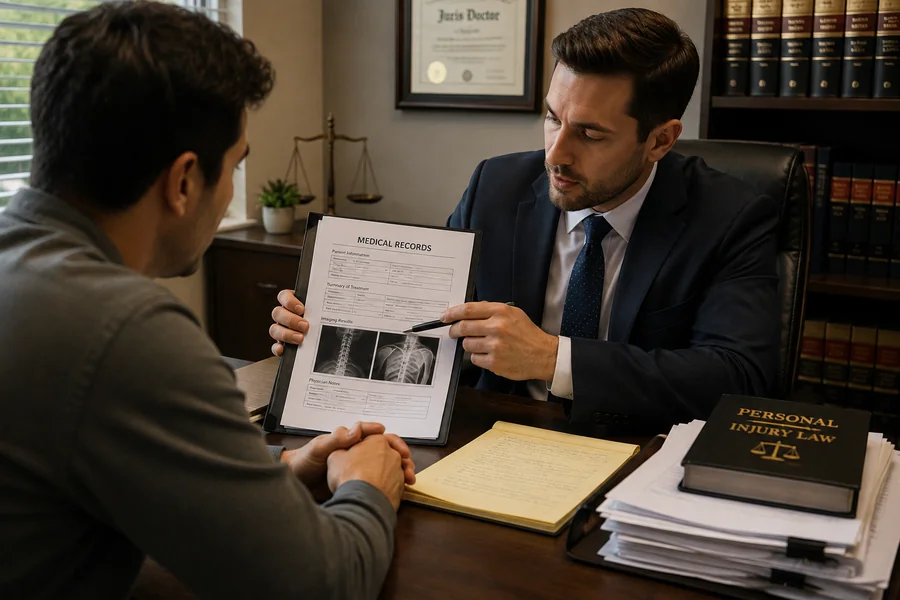
Medical records may be crucial evidence in a Florida personal injury case following an accident. They record the injuries you sustained, the medical care you received, and any potential effects the illness may have had on your day-to-day activities. These documents may also be useful in establishing a link between your injuries and the accident. Emergency room records, doctor’s notes, diagnostic test results, prescriptions, treatment plans, and follow-up appointments are examples of medical documentation. Organizing these documents can help you show how much you’ve lost. As per Holliday Karatinos Law Firm, they can examine the available medical records and assist in determining how they might bolster a compensation claim. This article provides reminders about keeping medical records and explains why you should document your health condition. Here are the reasons why you should record your health after an accident:
- Documenting the Extent of Your Injuries
- Connecting the Injury to the Accident
- Showing Medical Expenses and Treatment
- Establishing the Impact on Daily Life
- Supporting a Stronger Compensation Claim
Documenting the Extent of Your Injuries
A thorough description of the injuries sustained in an accident can be found in medical records. Doctors can document symptoms, physical observations, diagnoses, and recommended therapies during medical visits. Some of the injuries can also be proved objectively through tests of diagnosis such as MRIs, CT scan and X-rays. Such documents may be utilized to demonstrate that an injury is not a temporary complaint. They may denote whether the disease requires ongoing medical treatment, medication, physical therapy, and others. The regular documentation can come in particularly handy when a security company is not convinced that a certain injury is severe enough. A person can give an account of the physical impact of an accident and the required after-accident treatment better when they can present some medical records.
Connecting the Injury to the Accident
The assistance of medical records can help to establish a connection between an accident and subsequent injuries. When the medical practitioner treats a person immediately after a medical event, the medical practitioner might write down the type of injury, and when the symptoms are first experienced. This information can be used to create a timeline of the personal injury claim. In case the symptoms are related to the accident, then they can also be recorded by medical professionals. Lapse of time in medical care or treatment gaps may sometimes give cause concern regarding causality. Due to it, following prescribed medical care may be vital. The medical records may be helpful evidence when combined with the accident report, witness statements, photos, and other documents, although they may not be capable of proving all the points of a claim independently.
Showing Medical Expenses and Treatment
Medical record has also the ability to prove the treatment and cost of an injury. The expenses of emergency care, visits to hospitals, diagnostic tests, medication, rehabilitation, and expert appointments may be indicated in bills and statements. Providing a table for medical evidence to be presented in court.
| Medical Record | Purpose in a Personal Injury Claim |
| Emergency care records | Document immediate treatment after the accident |
| Hospital visit records | Show the extent of treatment received |
| Diagnostic test results | Provide evidence of injuries or medical conditions |
| Medication records | Document prescribed medications and related expenses |
| Rehabilitation records | Show ongoing treatment and recovery efforts |
| Specialist appointments | Document evaluations and specialized care |
| Medical bills | Show accident-related medical expenses |
| Receipts | Provide proof of payments for medical services |
Establishing the Impact on Daily Life
Medical records may have evidence of the effects of an injury on the daily activities of a person. Doctors occasionally record movement, lifting, walking, working, sleeping and routine task limitations. Treatment plans may have restrictions and suggestions to recovery, as well. Personal journals, family statements, employment history, and other pieces of evidence that provide more information may be added to medical records.
Supporting a Stronger Compensation Claim
Security companies often examines the medical records when evaluating personal injury claims. Thorough and consistent documentation can help clarify the type of injury, management of the treatment process, and the costs. An insurer can review medical histories, dates of treatment, findings of certain diagnoses, and especially whether the claimant followed the recommended care. These documents can be organized and have it be easier to respond to questions or disputes about the claim. Consequently, the records can be utilized as a component of a bigger strategy of presenting the injury claim.
Conclusion
In Florida personal injury case, medical records explaining the injuries, treatment, and costs and how the accident changed the normal lifestyle of an individual can be vital. The preservation of valuable evidence could be facilitated through the quest to acquire the right medical treatment and orderly records. Medical records, however, are just one aspect of a personal injury claim. Photographs, employment records, witness statements, accident reports, and other evidence might also be pertinent. A Florida Personal Injury Attorney is able to review the records that are available, deal with potential conflicts and help in locating the evidence that can support a compensation claim.
FAQs
Why are medical records important in a Florida personal injury case?
They can record the type of injury, the course of treatment, the cost of medical care, and how a person’s condition changed after an accident.
Should I seek medical attention after an accident?
Seeking the right medical care can help safeguard your health and record your condition if you are hurt or exhibiting symptoms.
What medical documents should I keep?
Medical bills, doctor’s notes, test results, prescriptions, treatment plans, hospital records, and follow-up appointment records are all things you might want to preserve.