Timeless Style Should Not Stop at Your Wardrobe
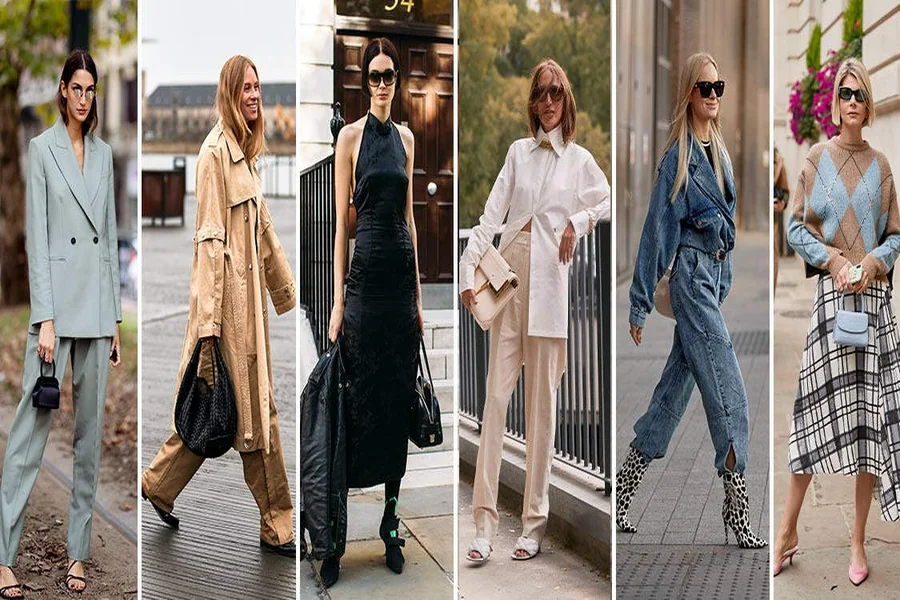
Also, style is the manner in which your home appears when someone strolls up to it. It’s the colors you select, the materials you retain, the items that you fix instead of replace and the subtle choices you make that make a space your own.
The two things have more in common than people might think: a good wardrobe and a good home. The two work best when they are designed to be quality, comfortable and durable. People who opt for a well-made jacket over fast fashion often know that you should select good materials for the house as well.
That is where timeless design starts.
Not with buying more. Not with chasing every new trend. But with choosing things that last.
Fast Trends Get Tiring
Fashion trends move quickly. One season says everything should be oversized. The next season says minimal. Then vintage comes back. Then quiet luxury. Then something else replaces it.
Home design can be the same.
One year, everyone wants white everything. Then dark colors return. Then gold fixtures. Then black hardware. Then natural wood. Then bold stone. It never really stops.
The problem is not that trends are bad. Some are beautiful. The problem is when people build their whole style around something they may not like in two years.
A timeless home does not need to ignore trends completely. It just needs a stronger base.
Good lighting. Natural textures. Quality materials. Comfortable spaces. Practical layouts. Details that feel connected to the person living there.
That kind of style lasts longer because it is not trying too hard.
The Entrance Says More Than People Realize
A home starts before the front door.
The walkway, gate, garden, driveway, porch, lighting, and exterior details all create the first feeling. Some homes feel warm before anyone steps inside. Some feel private. Some feel elegant. Some feel unfinished.
This first impression matters because it sets the tone.
One mishap could ruin a beautiful outfit. If the front door doesn’t match the rest of the house, it can make the whole house look ugly.
That does not mean every home needs a dramatic entrance. It means the entrance should look intentional.
For example, wrought iron gates can bring a classic, lasting look to a driveway or garden entrance because they feel strong without looking temporary. They can also work with different styles, from traditional homes to Mediterranean-inspired properties and more polished outdoor spaces.
The best exterior details do not scream for attention. They quietly support the whole design.
Durability Is Part of Sustainability
Sustainability is often discussed through fabrics, packaging, and production. Those things matter. But durability matters too.
A piece that lasts for ten years is usually better than one that looks good for one season and falls apart. The same idea applies to the home.
The durability of the materials will help homeowners reduce the need for replacement. When you consider the savings that can be realized over the life of an investment, it can make sense to invest in a good gate or a well-built deck or a sturdy siding, quality deck flooring, or proper lighting.
This is not the flashy side of design. It is the practical side.
But practical choices often become the most beautiful ones because they keep working year after year.
Natural and Strong Materials Age Better
Some materials look better with time.
Wood can gain character. Iron can feel established. Stone can look more natural as the landscape grows around it. Linen, cotton, leather, and wool can soften with use when they are cared for properly.
The common point is simple: materials with character do not need to be replaced every time a trend changes.
This is why timeless style often feels calmer. It is not full of pieces trying to look new forever. It allows things to age, soften, and become part of the story.
A home should not feel like a showroom. It should feel lived in, but cared for.
Personal Style Should Feel Connected
A person who loves soft neutral clothing may also enjoy calm interiors, warm lighting, and natural finishes. Someone who likes bold prints may enjoy colorful outdoor furniture, patterned tile, or a brighter front door.
There is no single correct style.
The goal is connection.
The outside of the home should not feel completely different from the inside. The garden should not feel disconnected from the driveway. The entrance should not look like it belongs to another property.
When the design feels connected, the home becomes easier to understand. It has a point of view.
That is what good personal style does too.
Buy Less, Choose Better
A better home does not always require more things.
Sometimes it requires fewer, better choices.
Avoid buying low quality patio furniture because it will have to be replaced next summer, select a few high quality furniture items. Rather than adding random details around the entrance, enhance lighting, plants, or one strong detail. Don’t follow every fad or trend in design, consider if it will still feel right in the future.
This is the same thinking that goes into a good outfit!
A person does not need fifty poor-quality pieces when ten good ones work better. A home does not need constant updates when the main choices are strong from the beginning.
Maintenance Is Also Style
People often forget that maintenance is part of design.
A beautiful gate looks better when it works properly. A garden looks better when paths are clear. A porch looks better when paint is fresh. Outdoor lighting looks better when it is clean and positioned well.
Nothing stays beautiful without care.
This is true for clothing too. A well-made coat still needs cleaning. Shoes need care. Delicate fabrics need attention. Good things last longer when people look after them.
Homeowners who want a stylish property should not only think about what to add. They should also think about what needs care.
Sometimes the most stylish update is simply repairing, cleaning, repainting, or restoring what is already there.
Outdoor Spaces Deserve More Thought
Outdoor design is often treated as separate from the home, but it should not be.
The garden, driveway, gate, patio, and entrance all affect how the home feels. These areas are part of daily life, not just background space.
A good outdoor area can make the home feel calmer. It can make mornings easier. It can make guests feel welcome. It can make the property feel more private and complete.
Small changes can help. Better lighting near the entrance. Healthier plants. A cleaner path. A stronger gate. A sitting area that actually gets used.
Outdoor style should not be only for special occasions. It should support normal life.
Timeless Does Not Mean Boring
Some people hear “timeless” and think it means plain.
That is not true.
Timeless style can still have personality. It can still include color, texture, pattern, and detail. The difference is that these choices feel intentional instead of random.
A timeless outfit may include one bold piece with simple basics. A timeless home may include one strong exterior feature with calm landscaping. The balance is what makes it work.
The goal is not to remove personality. The goal is to avoid choices that feel disposable.
Plan Before You Replace
Before changing any part of the home, it helps to pause and ask a few questions.
Does this fit the rest of the property?
Will I still like it in a few years?
Is it durable?
Is it easy to maintain?
Does it make daily life better?
Am I replacing this because it needs to be replaced, or because I am bored?
These questions can prevent wasteful choices.
For homeowners comparing bigger design or renovation decisions, a home improvement planning resource can help organize ideas before choosing the next step.
Style Is a Long-Term Decision
The best style does not feel rushed.
It grows slowly. It comes from knowing what you like, what you need, and what actually works in your life. That applies to clothes, interiors, gardens, entrances, and the small details people notice without always naming.
A thoughtful wardrobe is not built in one shopping trip. A thoughtful home is not built in one weekend.
Both are built through better choices over time.
When people choose quality, repair what matters, avoid waste, and think beyond trends, style becomes more than appearance. It becomes a way of living with more care.