Things to do in Mexico City plus altitude tips for your first visit
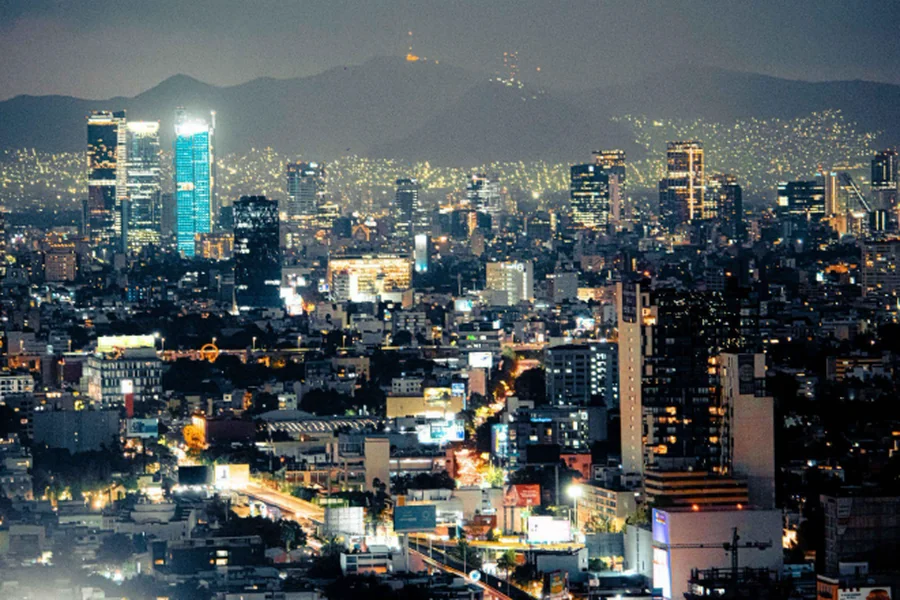
Mexico City holds 12 Michelin stars as of 2025, sits at over 7,000 feet above sea level, and packs world-class museums, vibrant neighborhoods, and ancient ruins into one sprawling metropolis. For US travelers planning their first trip to CDMX, understanding both what to see and how to handle the elevation makes all the difference between a good visit and an unforgettable one.
Taking a few simple precautions will help you enjoy everything this incredible destination has to offer. And when you’re ready to book your trip, flights to Mexico City from major US hubs make getting there easier than ever.
Top things to do in Mexico City by neighborhood
Mexico City is home to many great museums, including Museo Frida Kahlo, Museo Nacional de Antropología, Palacio de Bellas Artes, and Museo Soumaya. But the city’s appeal goes far beyond its cultural institutions. Each neighborhood offers its own distinct personality, from the tree-lined streets of Condesa to the historic grandeur of Centro Histórico.
Centro Histórico and the Zócalo
The Metropolitan Cathedral, one of the largest churches in Latin America, dominates the Zócalo, Mexico City’s main square and the heart of the historic center. This area is where ancient Aztec ruins meet colonial architecture, creating layers of history you can literally walk through.
The Templo Mayor Museum is an absolute must-visit, with exhibits that are clearly labeled, making it easy to understand the history without a guide. Plan to spend at least two hours exploring both the outdoor ruins and the extensive indoor museum.
Roma Norte and Condesa
These adjacent neighborhoods represent modern Mexico City at its most stylish and walkable. Roma Norte is a bit more urban and artsy, home to trendy boutique hotels, stylish cocktail bars, and some of the best restaurants in Mexico City.
The streets here are lined with beautifully restored Art Deco buildings, independent bookstores, and third-wave coffee shops that rival any you’d find in Brooklyn or Portland.
Coyoacán
Coyoacán, one of Mexico City’s oldest districts, is alive with color and culture, centered around Plaza Hidalgo and Jardín Centenario. The neighborhood features museums, quaint cobblestone streets, and roadside churro vendors, with its biggest claim to fame being the Frida Kahlo Museum. This area feels like a small colonial town that somehow survived being swallowed by the megacity around it.
Chapultepec Park and Polanco
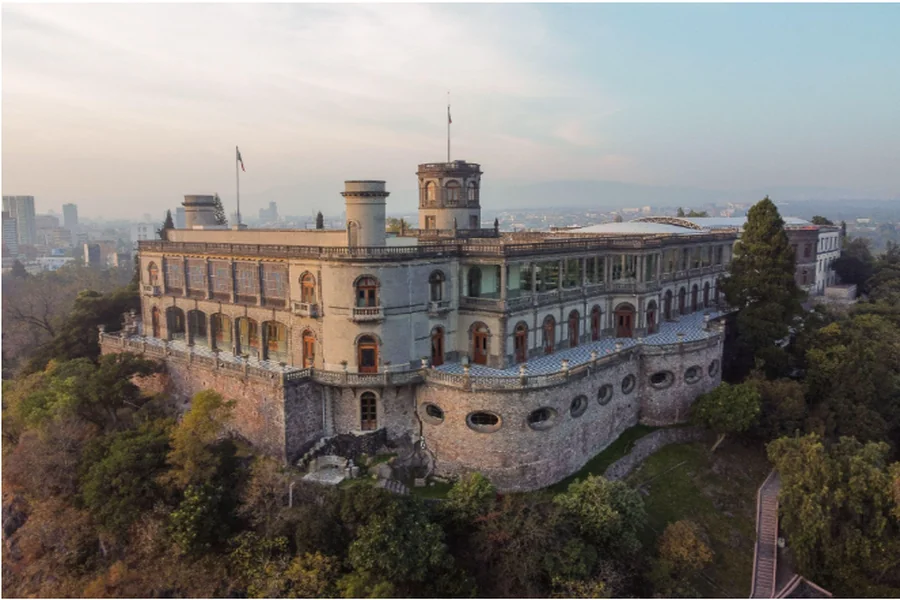
Mexico City’s Chapultepec Park spans an astounding 686 hectares, making it twice as big as NYC’s Central Park. This massive green space serves as the city’s lungs and contains several world-class museums, a zoo, botanical gardens, and even a castle.
The National Museum of Anthropology is considered one of the world’s most comprehensive natural history museums, housing extensive exhibits in 23 exhibition halls. If you only visit one museum in Mexico City, make it this one. The collection includes artifacts representing Mexico’s rich cultural history from pre-Hispanic times to the present day, including the famous Sun Stone, the jade mask of Pakal the Great, and numerous works from the Olmec, Maya, and Aztec cultures.
Altitude and first-visit tips for Mexico City
Understanding how to manage Mexico City’s altitude can make the difference between feeling energized or exhausted during your first days in the city. The air has about 25% less oxygen than at sea level, which can affect people not used to high altitude.
What to expect when you arrive
Most travelers need 24 to 72 hours to adjust to Mexico City’s altitude, during which your body adapts to lower oxygen levels by increasing breathing rate and heart output. Symptoms are typically worse on the first and second day, then improve as acclimatization begins.
How to acclimatize comfortably
- Hydration is your best friend. Staying hydrated is one of the best ways to avoid the symptoms of altitude sickness in Mexico City. Experts recommend that adults drink about half their body weight in ounces of water, and at the high altitudes of Mexico City, you should drink even more if possible, ensuring your urine is pale yellow or clear.
- Take it easy on day one. Explore Roma and Condesa at your own pace with tree-lined streets, cafés, and parks perfect for a slow wander, starting with gentle exploring and relaxed neighborhoods. Save the pyramid climbs and long hikes for after you’ve had a day or two to adjust.
- Avoid alcohol initially. Avoiding alcohol until you’ve acclimated is one of the best decisions you can make, waiting until your second full day in Mexico City to have a drink. Alcohol dehydrates you and can intensify altitude symptoms, so hold off on that welcome margarita for at least 24 hours.
- Eat light and smart. Your digestion slows at high altitude, so opt for fruits, soups, vegetables, and small portions. This doesn’t mean you can’t enjoy Mexico City’s incredible food scene—just pace yourself and avoid heavy meals during your first day.
- Listen to your body. Altitude sickness is nothing to mess with, and it isn’t something you can just power through. If you feel bad, stop what you’re doing. While severe altitude sickness is thankfully less likely in Mexico City than in cities with higher elevations, it is still possible, and you must seek medical attention immediately if symptoms worsen.
What to pack for the altitude
Bring over-the-counter pain relievers for potential headaches. Sensitive individuals may want to consider traveling with medicines for altitude sickness: ibuprofen or paracetamol for headaches or body aches, and motion-sickness medication, like promethazine, for nausea. Sunscreen is also essential, as UV radiation is more intense at this elevation.
When to seek medical help
It’s very rare for international visitors to experience any extreme symptoms in Mexico City, with the few exceptions being those traveling on to serious mountain climbing activities outside the city. However, if symptoms worsen or don’t improve after 24-48 hours, it’s time to see a doctor.
Where to stay in Mexico City for easy access to attractions
Choosing where to stay in Mexico City significantly impacts your experience, especially when you’re managing altitude adjustment. Roma Norte is a top choice for first-timers, as it’s centrally located, offers plenty of restaurants and cafes, and provides easy access to transportation.
Roma Norte is beautiful, safe, centrally located, and has lots of green spaces, plus it’s home to some of the top restaurants in the city. The neighborhood’s walkability means you can explore on foot without overexerting yourself during those first crucial days of acclimatization.
The safest parts of Mexico City for tourists are La Condesa, Roma Norte, and Polanco. La Condesa and Roma Norte offer a lively but secure environment with plenty of cafes and parks, while Polanco is known for its high-end shops and quiet streets. All three neighborhoods put you within easy reach of major attractions while providing comfortable bases for rest and recovery.
Make the most of your Mexico City adventure
Mexico City rewards visitors who come prepared. By understanding the things to do in Mexico City across its diverse neighborhoods and following altitude tips from day one, you’ll set yourself up for an incredible experience. Start slow, stay hydrated, and give yourself permission to adjust your plans based on how you feel. The city isn’t going anywhere, and there’s no prize for pushing through discomfort.