Acne Gel: Dermatologist Tips to Speed Up Blemish Healing
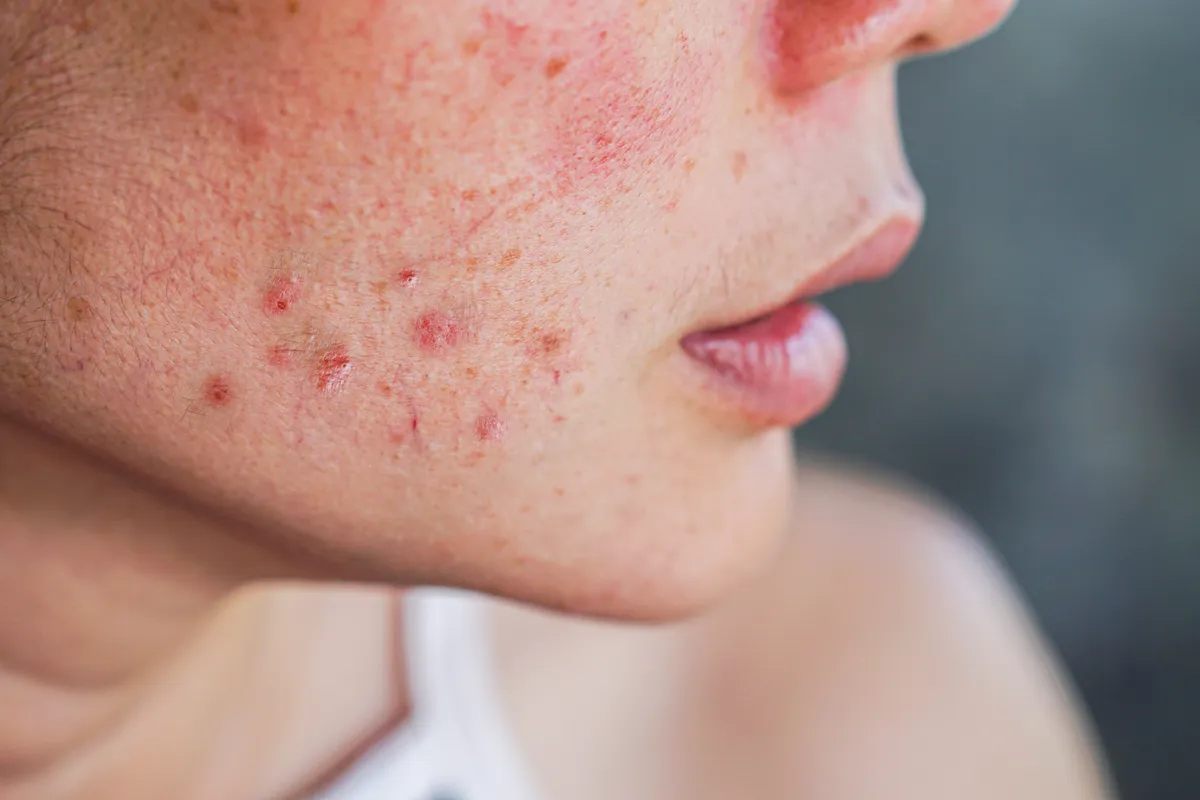
Blemishes is a common term which is used popularly to refer to the marks or areas of discoloration or dark spots on the skin. These are generally caused by acne breakouts. Blemishes on the skin can also be because of factors such as hormonal imbalance, genetic make up, improper skincare, poor diet, sun exposure and aging. Pimples and comedones can also be referred to as blemishes caused by clogged pores. In such cases, a salicylic acid gel may help support acne-prone skin by exfoliating clogged pores and reducing excess oil buildup.
These blemishes can pop out anywhere on the body but are most common on the face, neck, shoulders and back. They can have an elevated appearance on the skin or visibly flat look in a variety of colors like brown or red. Since, there are many different types of blemishes, the very common types observed in most people include acne, scars, birthmarks, age spots and hyperpigmentation.
Different Types Of Blemishes
| Acne | These damage the skin barrier with acne lesions and inflammation when hair follicles get clogged with naturally produced oily substance called sebum. It mixes up with dirt and promotes the growth of bacteria causing acne. This can lead to post-inflammatory hyperpigmentation (brown acne marks) or post-inflammatory erythema (red acne marks) consequently. |
| Scars | The scarring can be caused by abnormal build up of collagen in the affected area after damage to the skin barrier. It may require dermatological procedures such as dermabrasion, corticosteroid injections, laser, radiation therapy, etc. to reduce the appearance of scars. |
| Age Spots | Prolonged sun exposure may cause age spots or sun spots with excessive stimulation of melanocytes and subsequent melanin production on the skin. It also puts heavy oxidative stress on the skin. |
| Uneven Skin Tone | Also called hyperpigmentation. It involves irregular overproduction of melanin leading to change in the overall skin tone of the affected area. |
Tips to Speed Up Blemish Healing
As per the dermatologist’s recommendations, the chances of getting blemishes on your skin can be greatly reduced with proper care of the skin.
- Wearing sunscreen on a daily basis can prevent prolonged UV exposure and associated sun damage to the skin.
- Avoiding tanning can help to prevent sun spots as well as reduce uneven skin tone.
- Staying hydrated is important for your body as that’ll help to keep the skin plump and healthy.
- Washing the face on a regular basis with a gentle cleanser that suits your skin type will help maintain hygiene and remove the impurities from the skin .
- Proper wound care and breathable bandages can help to reduce the chances of scarring.
- Using an acne gel on a daily basis formulated with some of the best acne fighting actives will help you to prevent and manage acne lesions in a very effective manner.
What Key Ingredients To Look For?
Below is a table of ingredients beneficial for blemishes:
| Ingredient | Mechanism Of Action |
| Aloe vera | With the abundance of such calming phytoconstituents in it, aloe vera provides effective treatment for reddened, swollen and irritated skin. |
| Neem | It works as a stronger anti microbial agent against most acne-causing organisms. |
| Tea tree oil | Terpinen-4-ol in tea tree oil uses natural and antibacterial powers to fight the bacteria that lead to acne. |
| Tranexamic acid | Tranexamic acid actively promotes the inhibition of melanogenesis (melanin synthesis) and lightens dark patches. |
| Alpha arbutin | The dark spot inhibitor “Alpha-arbutin” suppresses melanin and works to lighten dark spots as an acne spot corrector gradually. |
| Niacinamide | Niacinamide strengthens your defense barrier against external irritants. It deeply hydrates your defense barrier of the skin. |
| Salicylic Acid | Salicylic acid gel penetrates down into the pores to dissolve build-up and shed debris from the top of your skin, preventing acne. |
Common Mistakes You Need To Avoid
Picking and Popping
Squeezing or popping acne, however, causes inflammatory fluids as well as infection in the body cells to ooze out, and seep deeper into the epidermis. It triggers intense regional inflammation, inhibits therapeutic procedure and escalates the probability of permanent scarring together with acne hyperpigmentation.
Read more: Clean Beauty, Conscious Aesthetics: Finding a Sofwave Provider Near You
Over-Washing and Aggressive Scrubbing
Over-washing the face (more than 2 times a day) or using physical scrubs irritates and compromises the skin barrier which enhances the TEWL, causes irritation and also makes the pores produce more sebum (in order to compensate for the dryness). This actually clogs the pores even more.
Using High-pH Alkaline Cleansers
Utilizing conventional bar soaps or cleansers with a high or alkaline pH alters the skin’s natural acidic mantle (typically pH 4.5–5.5). A sensitizing wash promotes the irritation to the inflamed skin.
Skipping Daily Sunscreen Application
Many individuals avoid sunscreen with a misconception that it will clog pores. However, UV radiation induces alteration in the sebum quality with squalene oxidation and darkens post-acne marks. Omitting broad-spectrum protection eventually exacerbates UV-induced inflammation and prolongs PIH.
Applying Comedogenic Skincare Products
Using formulations that contain heavy oils, ingredients with high comedogenic profile like isopropyl palmitate or certain laureths can mechanically occlude the pilosebaceous units. Choosing products with a “non-comedogenic” label is usually recommended to prevent acne cosmetica.
Improper Use and Over-Layering of Actives
Using too many actives such as concentrated AHAs, BHAs and retinoids, all at once can actually lead to dehydration of the skin barrier by destroying and sloughing off the necessary natural oils from the skin. This may even lead to sensitive contact dermatitis or aggravate your persisting acne.
Inconsistent Compliance with Anti-Blemish Skincare
Acne gels and serums require proper dedication, patience and consistency to show measurable efficiency which also involves the role of the skin’s natural cellular turnover. Abandoning a regimen within a few days and switching to another experimental regimen can severely purge your skin.
Neglecting to Moisturize Oily Skin
A proper oil free formula based moisturizer helps to repair the epidermal barrier and decrease irritation level in the skin to protect skin barrier.
Delayed Initiation of Required Blemish Management
Relying solely on home remedies for moderate to severe inflammatory acne allows deep tissue damage to persist. Early intervention with physician’s consultation is strongly recommended for a lower long-term incidence of blemishes on the skin.
Summary
Blemishes can appear as a form of skin imperfections such as acne spots, scarring, hyperpigmentation and age spots typically occur due to hormonal shifts, genetics, over-exposure to sun, consistent face cleaning, post-acnemarks, scars, sun spots, intrinsic aging process, etc. How to avoid Blemishes ?
A basic skin care regimen which can consist of regular cleaning of the face, drinking loads of water, skin moisturization and usage of sunscreen, keeping wounds clean are the essential ways to reduce blemishing. Use helpful ingredients like aloe vera, neem, tea tree oil, tranexamic acid, alpha arbutin, niacinamide, salicylic acid to help in the management and prevention of blemishes on the skin. Avoid picking the skin, over-washing, harsh cleansing agents, comedogenic and pore blocking products.